History of Sign Language Illustrations
Sign Language Illustrations
Sign language illustration records signs visually by depicting handshape, movement, location, and orientation through drawings or photographs. These illustrations are widely used in Deaf education, textbooks learning ASL, ASL dictionaries, and sign language research because they communicate information more efficiently than written descriptions or complex notation systems.
Because sign language is visual, illustration plays a unique role in language documentation. Over time, drawings and photographs have been preferred over written notation systems since they are quicker to interpret and do not require learning specialized symbols. However, illustrations alone are not sufficient for learning a language. They function best as memory aids when paired with live instruction, films, or video recordings.
The Sign Language Illustrator
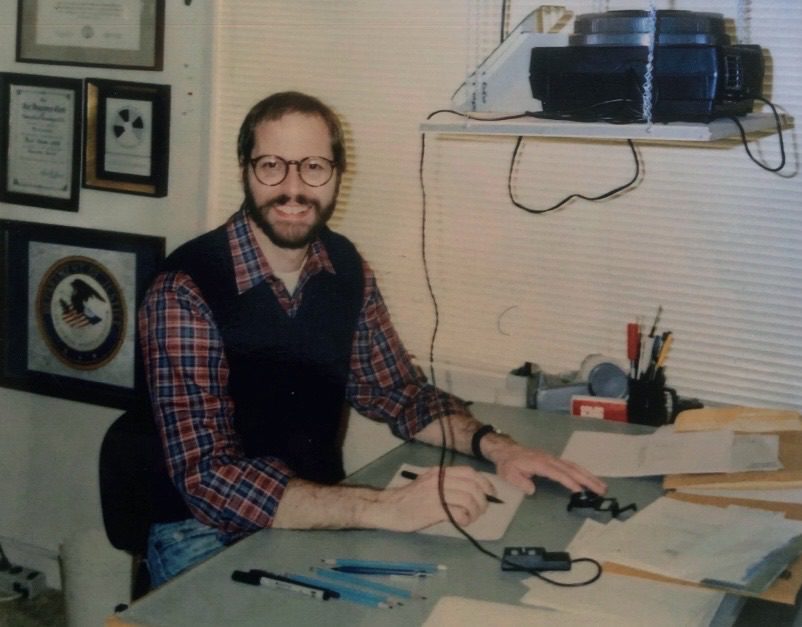
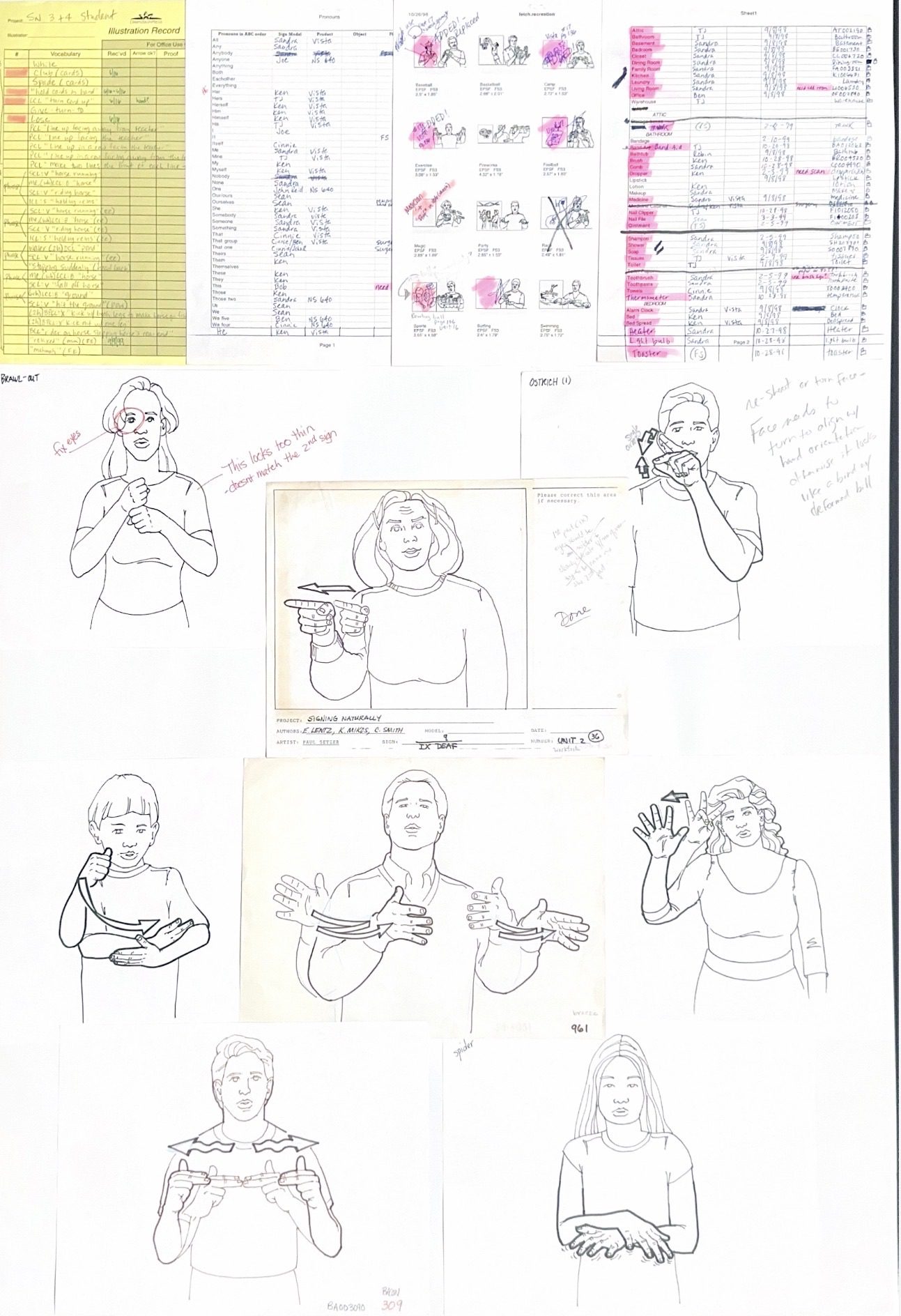
The sign language illustrator is a specialized professional who combines artistic skill with fluency in sign language, knowledge of Deaf culture, and an understanding of sign linguistics. Responsibilities include selecting sign models, planning studio setups, choosing appropriate techniques, and maintaining consistency across illustrations. Despite its importance, this remains a small and highly specialized field.
Historical Development
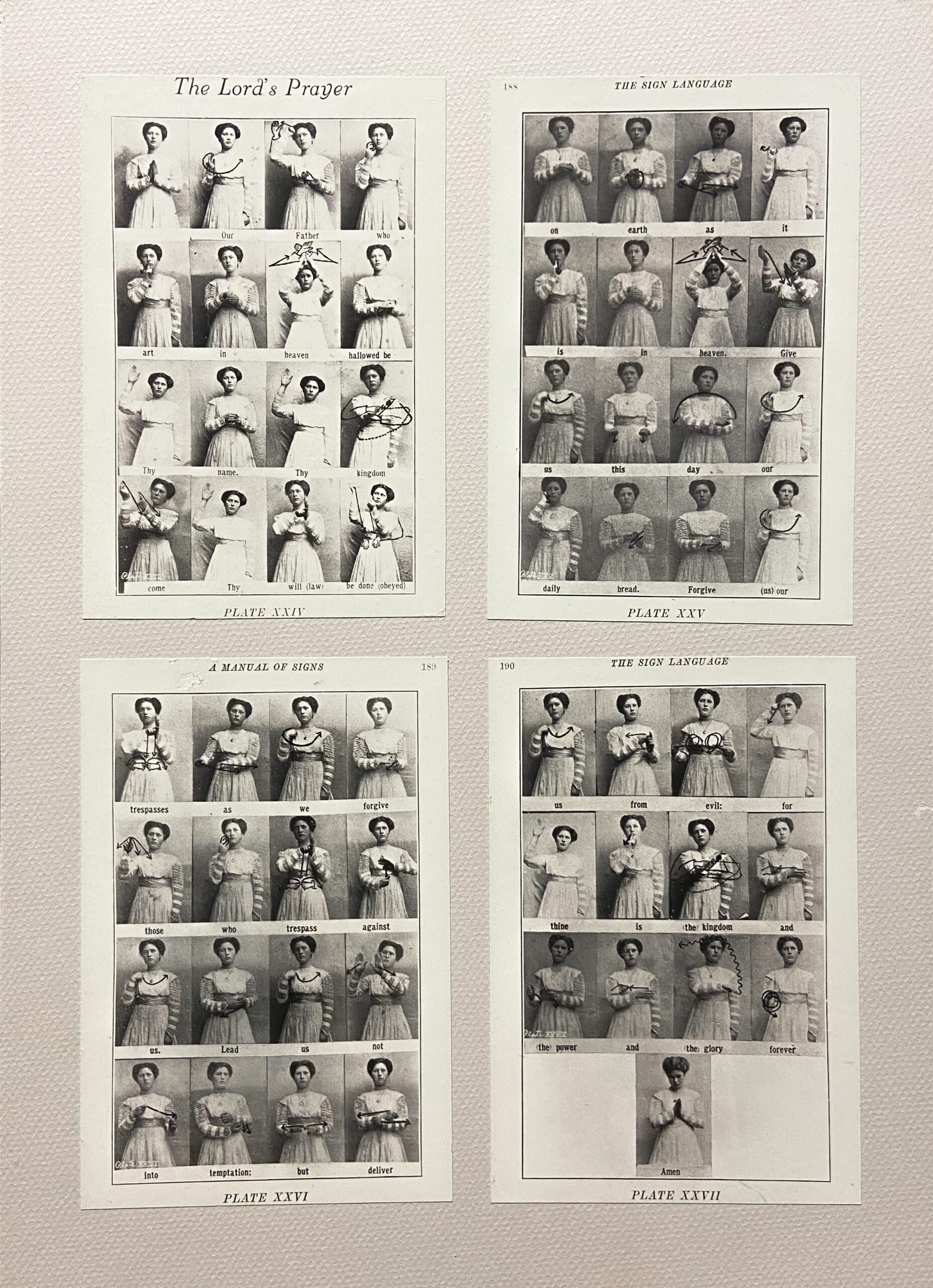
Sign language illustration dates back to the sixteenth century, initially limited by woodcut and engraving techniques that could not adequately capture movement. Major advances occurred in the nineteenth century with photography and improved printing methods.
A significant turning point came in the 1960s with shifts away from oralism toward total communication, along with increased linguistic research on signed languages. These changes created greater demand for accurate, standardized visual representations of signs.
Techniques
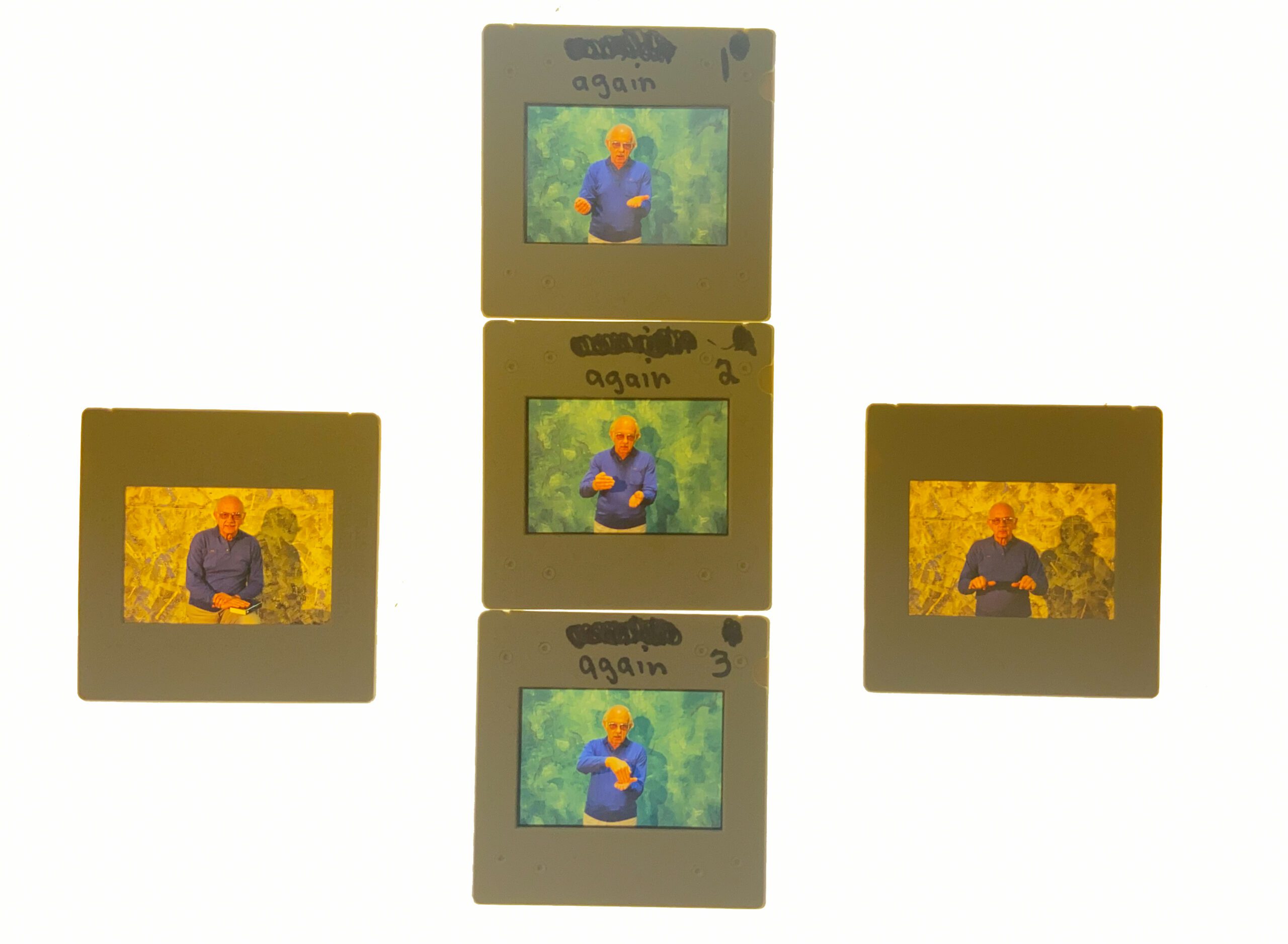
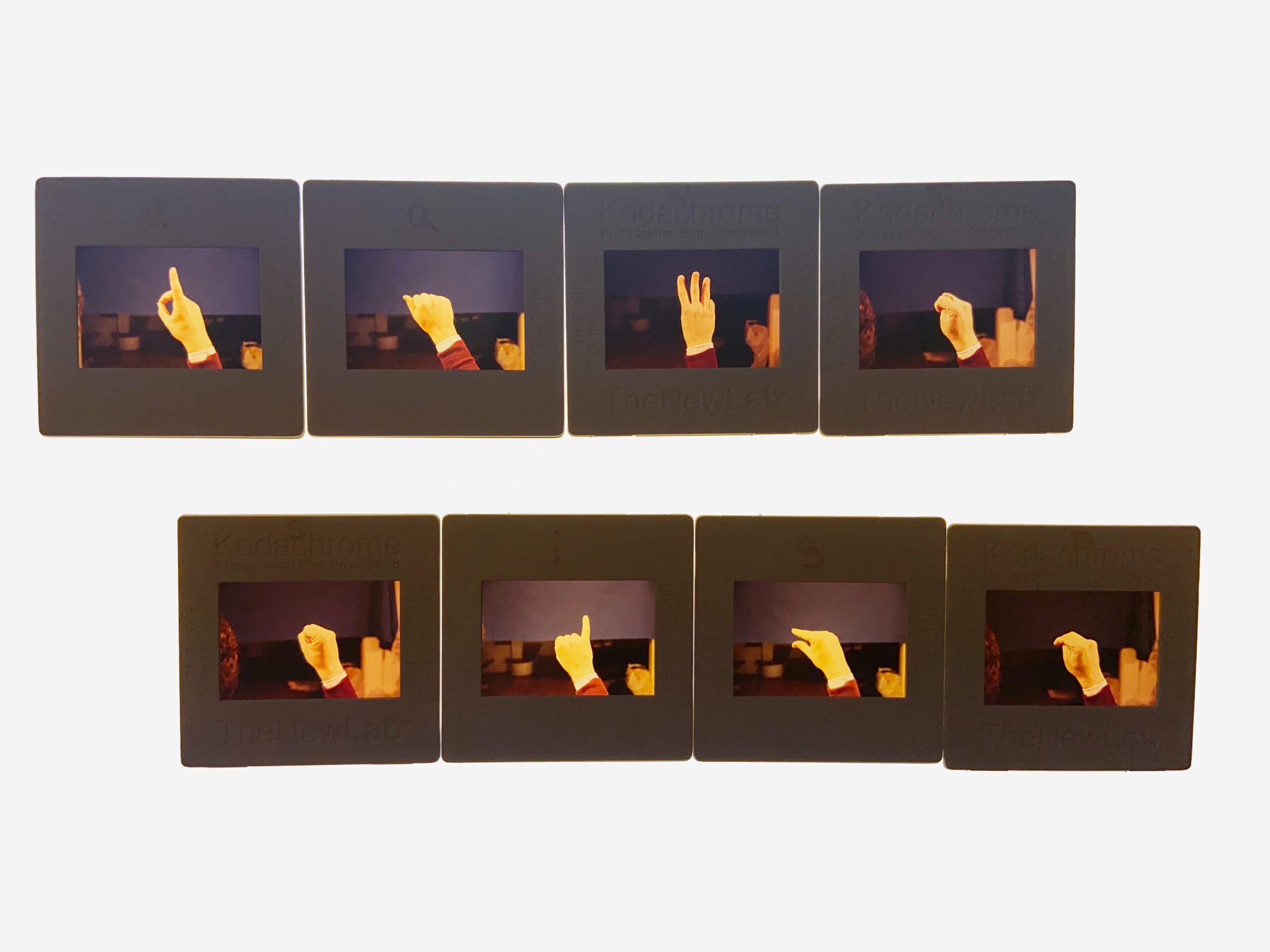
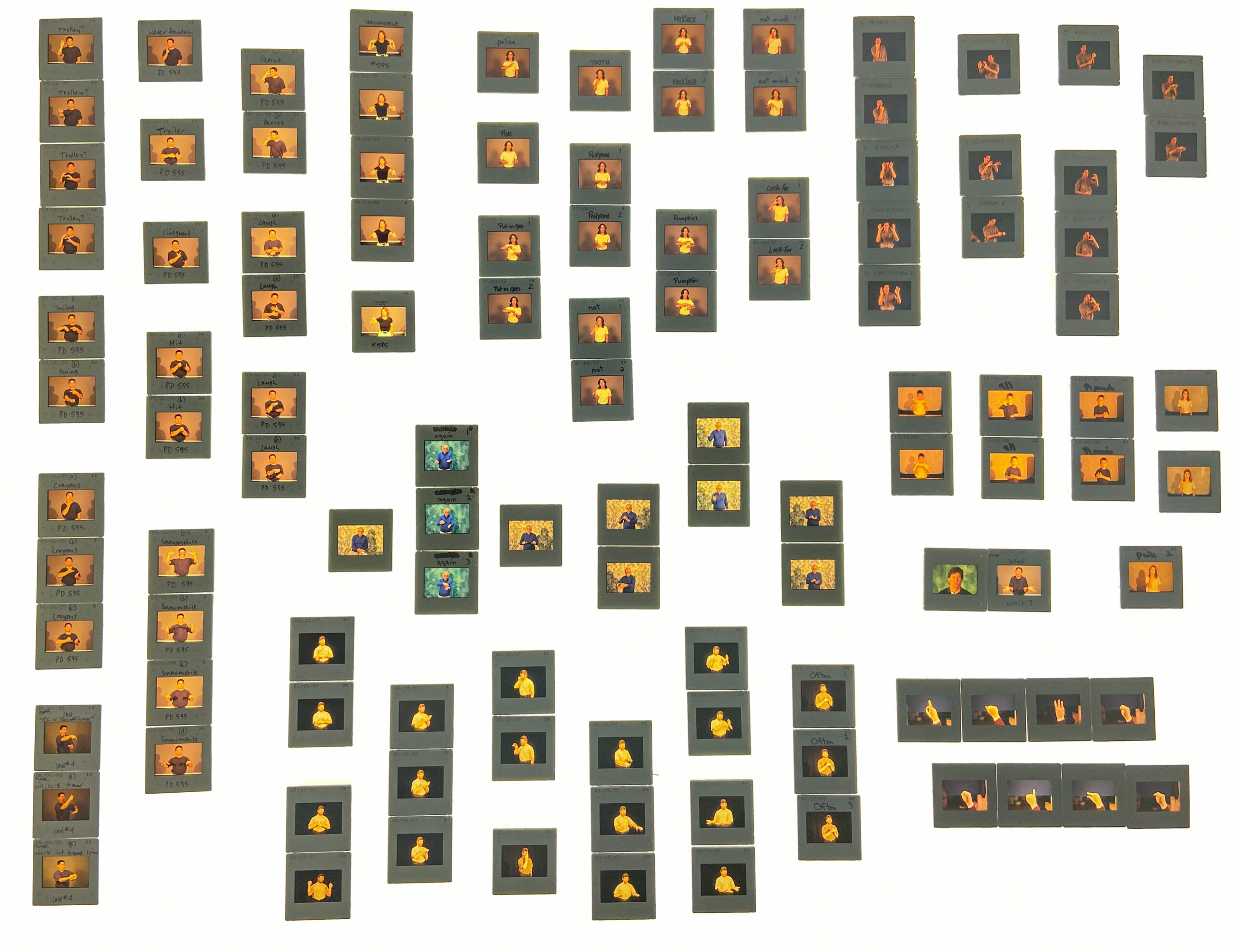
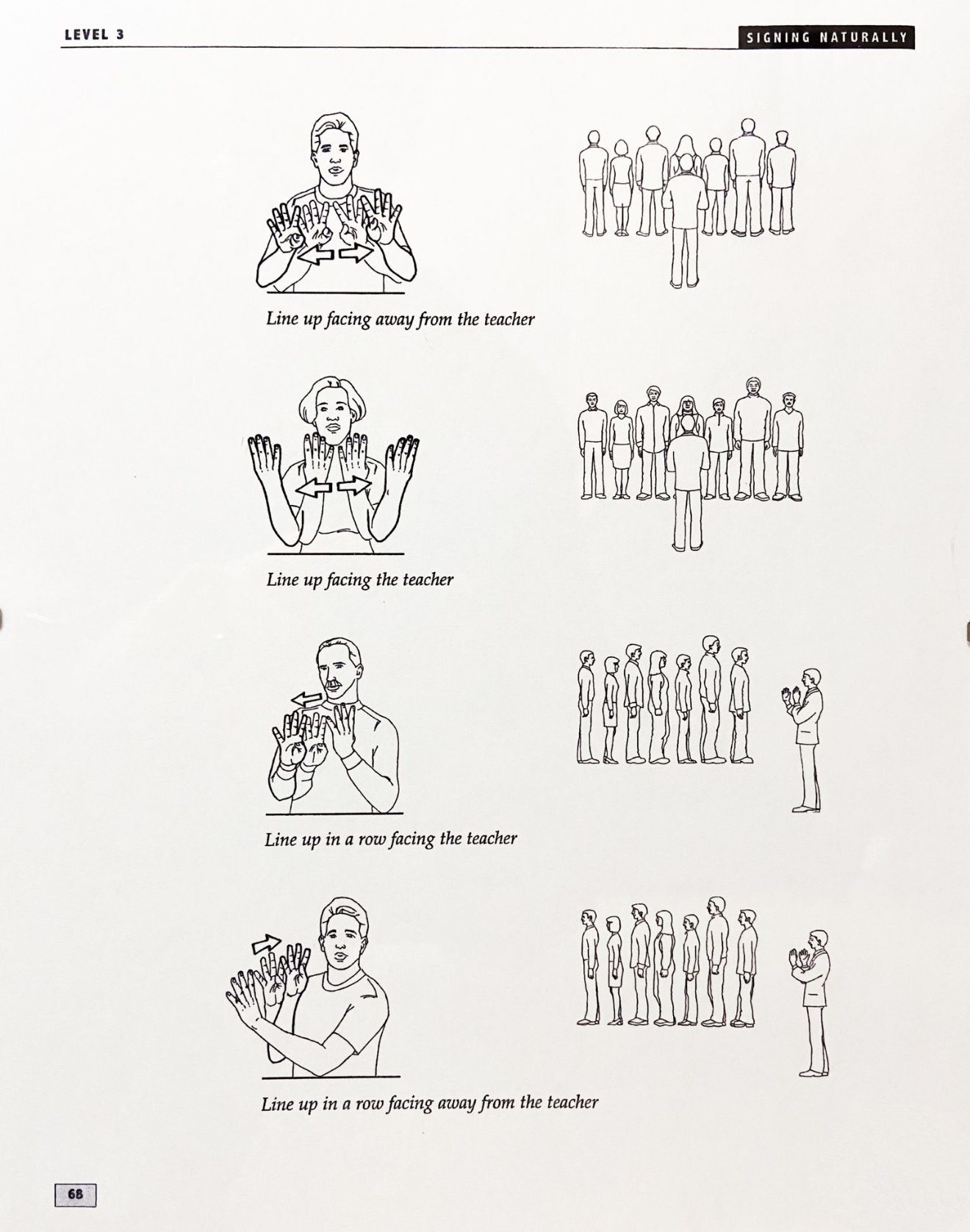
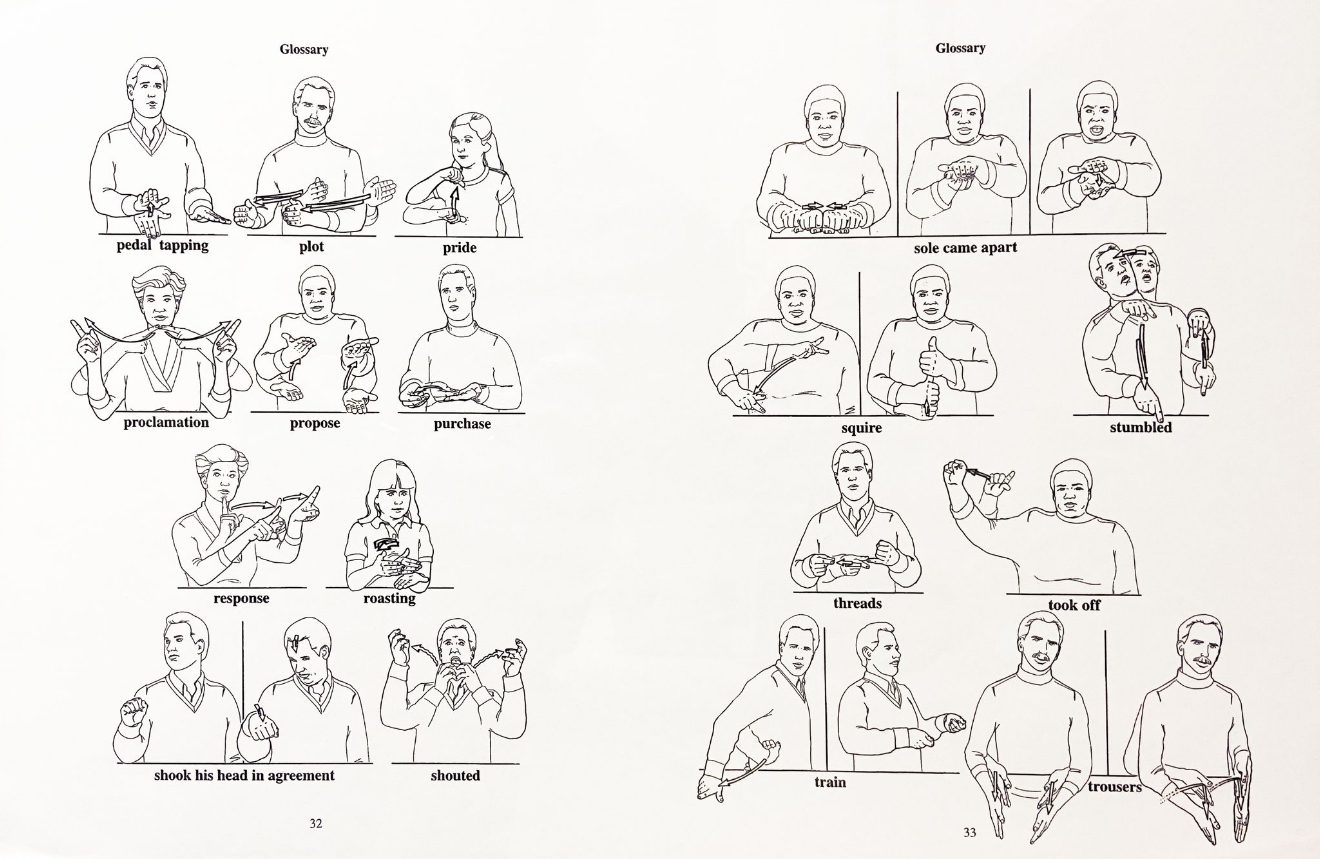
Sign depiction generally falls into two categories: line drawings and photographs. Line drawings allow illustrators to highlight specific elements of a sign and are more cost-effective. Photographs can show realism but often require retouching and higher production costs. Both methods rely heavily on skilled Deaf sign models to ensure linguistic accuracy.
Movement and Conventions
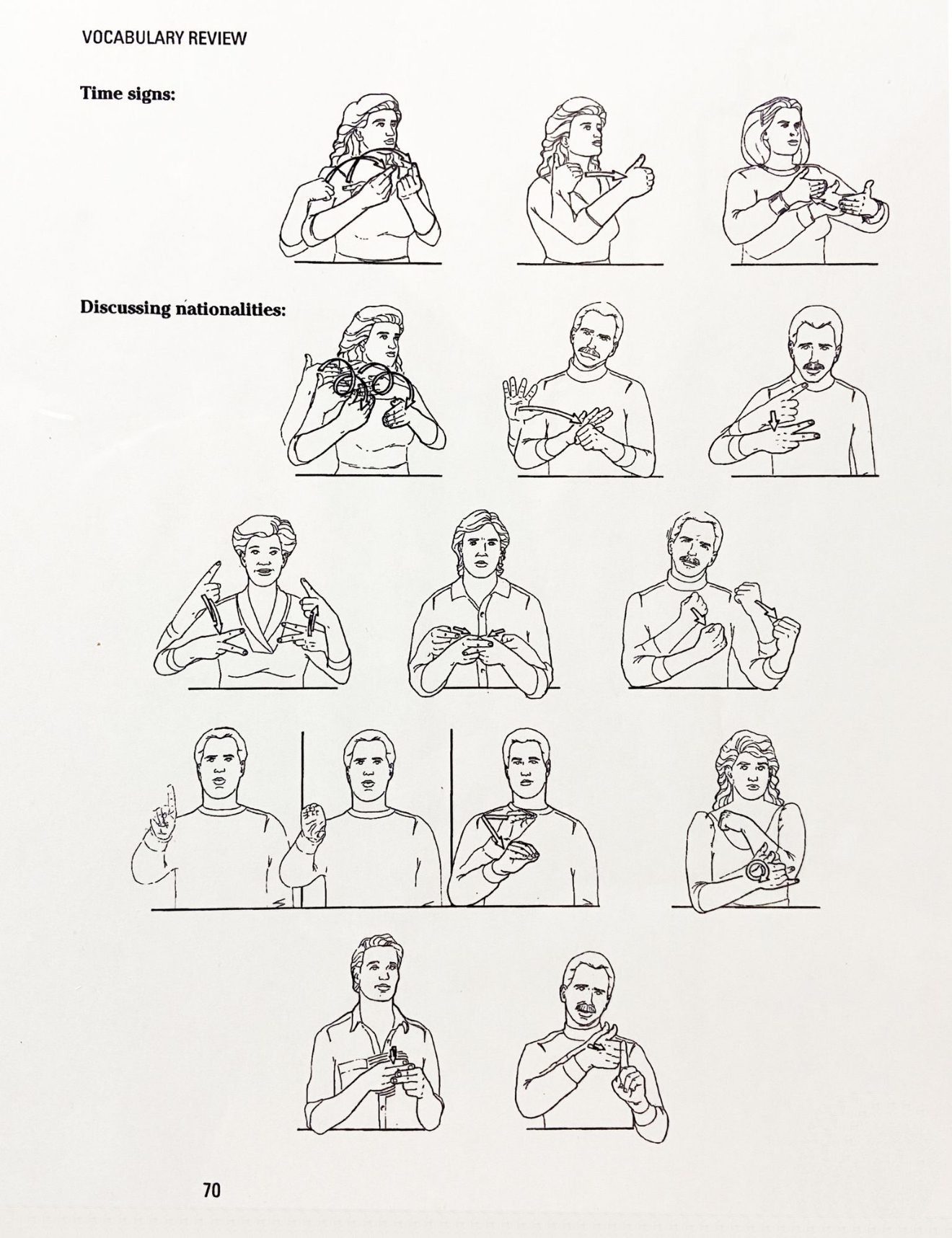
Movement is typically shown using multiple hand positions and directional arrows. These conventions indicate paths, repetition, speed, and spatial relationships. Viewing angle is critical and must match the movement being shown. Additional visual devices such as arrows, numbering, and graphic marks help clarify complex or multi-stage signs.
Non-manual signals such as facial expression, head movement, and body posture are essential components of sign language and must be included in illustrations. These features convey grammatical and emotional meaning and are represented through facial lines, arrows, and repeated images.
Signs are typically depicted using line drawings or photographs. Line drawings highlight key features and are cost-effective, while photographs provide realism but often require more production work. Movement and non-manual signals such as facial expression and body posture are shown using conventions like arrows, multiple images, and graphic markers to convey grammatical and spatial meaning.